Uncategorized

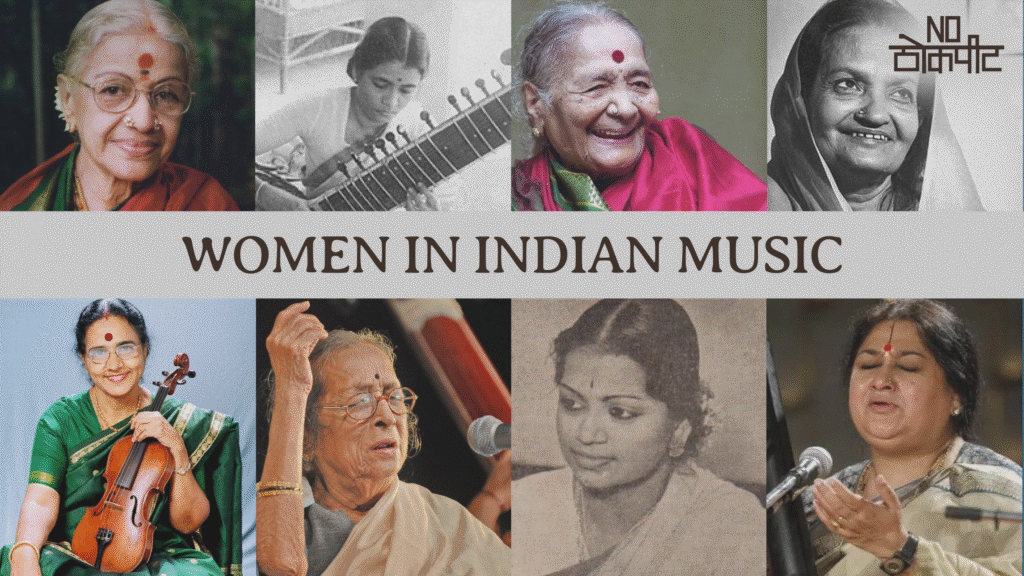
Women in Indian Classical Music: From Devadasis to Maestros

Indian classical music, with its profound spiritual and cultural roots, has long been enriched by the contributions of women. From the sacred corridors of temples to the modern stages of international concert halls, women have played pivotal roles in shaping the soundscape of India. Their journey, however, reflects a complex interplay of devotion, societal norms,

Women in Indian Classical Music: From Devadasis to Maestros Read More »

Raga Madhuvanti: The Quiet Glow Between Longing and Light

In Hindustani classical music, Raga Madhuvanti has carved a special space for itself. It is expressive, romantic, slightly introspective, and deeply melodic. For listeners discovering Indian classical music, Madhuvanti often becomes a gateway raga because of its emotional clarity and accessible beauty. Let’s sit with it for a while. Arshad Khan performs Madhuvanti on Esraj

Raga Madhuvanti: The Quiet Glow Between Longing and Light Read More »

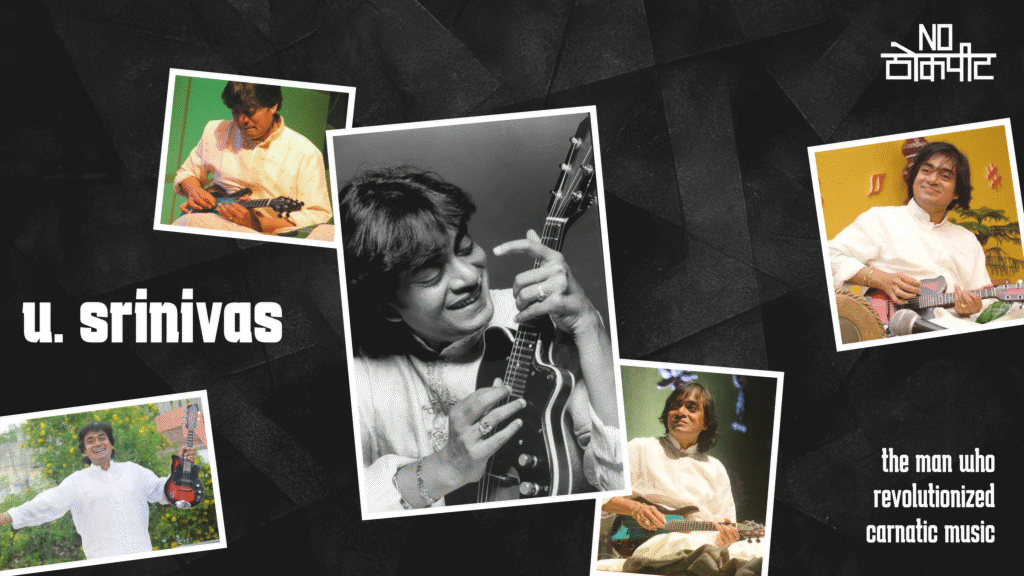
U. Srinivas: The Mandolin Maestro Who Revolutionized Carnatic Music

When people speak of innovation in Carnatic music, one name definitely rises: U. Srinivas. Known globally as Mandolin Srinivas, he transformed a Western instrument into a powerful voice of Indian classical tradition. His journey from a child prodigy to international icon reshaped the landscape of South Indian Classical Music. This is the story of how

U. Srinivas: The Mandolin Maestro Who Revolutionized Carnatic Music Read More »

understanding the soul of laya

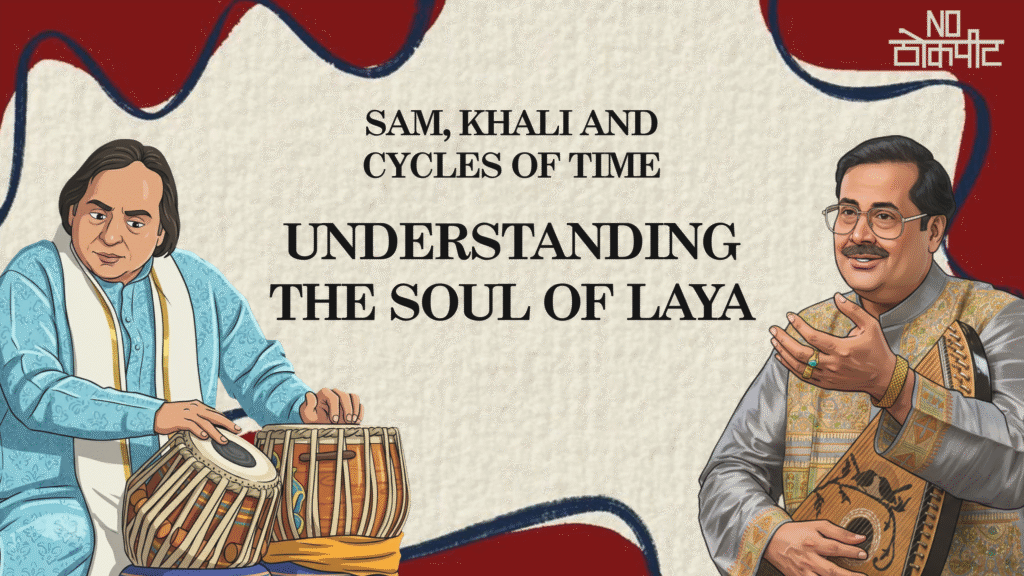
Sam, Khali, and the Cycles of Time: Understanding the Soul of Laya

In Indian classical music, rhythm is a living pulse that shapes melody, emotion, and expression. The concepts of Sam, Khali, and the cyclic nature of time together form the soul of laya, the rhythmic flow that sustains all musical creation. Whether it’s the graceful cycle of Drut Teentaal or the meditative expanse in the Vilambit

Sam, Khali, and the Cycles of Time: Understanding the Soul of Laya Read More »

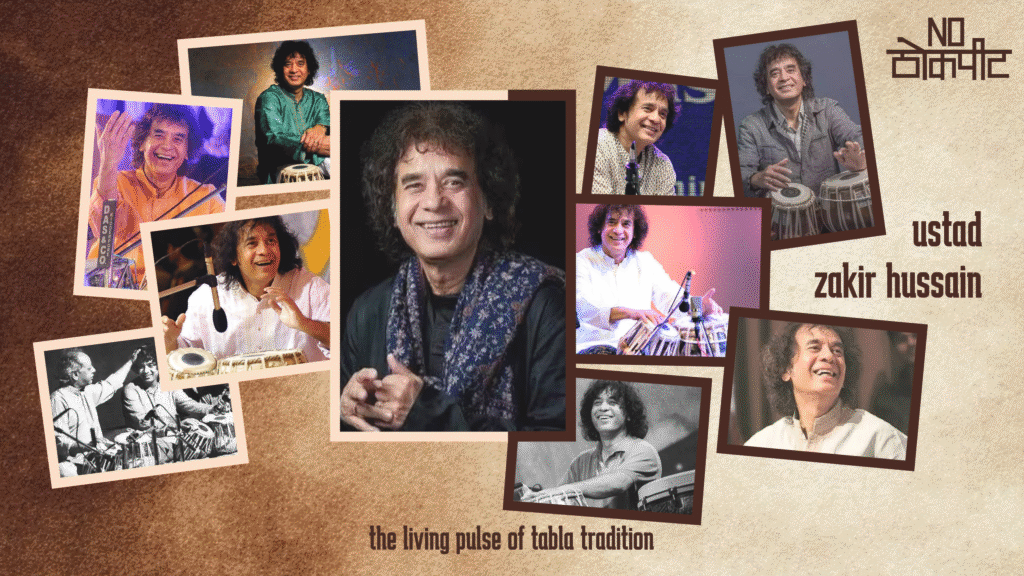
Why Taal Is More Than Time: Understanding Indian Rhythm Beyond Counting

If you’ve ever listened to a tabla solo or a Kathak performance and felt something pulse deeper than the beats themselves, you’ve already felt what taal truly is. In Indian classical music, taal is often translated as rhythm or time cycle. But that translation barely scratches the surface. Taal is not just about keeping time,

Why Taal Is More Than Time: Understanding Indian Rhythm Beyond Counting Read More »

Scroll to Top